
Acupuncture for
PMS & Painful Periods
PMS Acupuncture in Surrey | Painful Periods Acupuncture in Surbiton
Acupuncture for PMS & Painful Periods
For many women, the days before and during their period can be accompanied by symptoms ranging in severity from “uncomfortable” to “completely debilitating”, such as mood swings, bloating, breast tenderness, fatigue and cramping or stabbing pain that disrupts daily life. These symptoms are often dismissed as “just part of being a woman”, but as an acupuncturist based in Surbiton, Surrey, I offer natural options to alleviate discomfort and pain linked to your cycle.

What Are PMS and Painful Periods?
Premenstrual Syndrome (PMS)
PMS refers to a collection of physical, emotional, and behavioural symptoms that occur in the days leading up to your period. These symptoms typically resolve once your period begins. PMS is linked to hormonal changes, which occur after ovulation.
Common symptoms of PMS include:
- Mood swings, irritability, or anxiety
- Breast tenderness or swelling
- Bloating and digestive issues
- Fatigue and low energy
- Sleep disturbances
- Food cravings
- Headaches or migraines
For some women, PMS symptoms are mild and manageable, while for others, they can be severe enough to interfere with daily life.
Painful Periods (dysmenorrhoea)
Painful periods, or dysmenorrhea, are characterised by severe cramping in the lower abdomen and pelvis during menstruation. The pain can range from mild to debilitating and may be accompanied by nausea, vomiting, diarrhoea, or fatigue.
Primary dysmenorrhea (pain without an underlying condition) is common, while secondary dysmenorrhea may indicate an underlying gynaecological issue, such as endometriosis or adenomyosis.
How Chinese Medicine Views PMS and Painful Periods
In traditional Chinese medicine (TCM), the menstrual cycle is a reflection of the body’s overall health, particularly the balance of qi (vital energy) and blood. Imbalances in these areas can manifest as PMS or painful periods.
01.
PMS: A TCM Perspective
In Traditional Chinese Medicine (TCM), premenstrual symptoms are a sign that your body’s internal systems are out of balance. Here is what might be happening behind the scenes:
Stuck Energy (Liver Qi Stagnation): Stress and emotions can cause your body’s energy to get “stuck.” This often shows up as irritability, mood swings, breast tenderness, or headaches.
Weakened Digestion (Spleen Qi Deficiency): In TCM, the “Spleen” handles your digestion. When it’s sluggish, you might feel fatigued, bloated, and experience intense food cravings.
Burnout (Kidney Essence Deficiency): Your “Kidney” energy is your body’s battery pack. When it runs low, it can cause hormonal imbalances, exhaustion, and low libido.
Lack of Nourishment (Blood Deficiency): If your body lacks rich, nourishing blood to support your system, it can lead to anxiety, insomnia, or heart palpitations.
Acupuncture and herbal medicine aim to bring these systems back into a state of equilibrium by:
Releasing your energy (Liver Qi) to melt away emotional tension and physical pain.
Strengthening digestion (Spleen Qi) to eliminate bloating and boost vitality.
Replenish vital reserves (Kidney Qi) to boost energy and resilience.
Nourish the body to calm a racing mind and promote deep sleep.
02.
Painful Periods: A TCM Perspective
In Traditional Chinese Medicine (TCM), menstrual pain isn’t something you just have to live with. It is a signal that circulation or energy in the lower abdomen is blocked or depleted (and sometimes both):
Blocked Circulation (Qi and Blood Stagnation): When the flow of energy and blood in the pelvis becomes stuck, it can cause sharp cramping, dark clots, and intense pain.
Constricted Vessels (Cold in the Uterus): In TCM the body has its own internal ecosystem and just like ice freezes water, “cold” in the body causes tissues and blood vessels to constrict. This can lead to severe cramps and a heavy, clotted flow that feels better with a heating pad.
Lack of Nourishment (Blood and Qi Deficiency): If your body is depleted, the uterus doesn’t receive the energy it needs to contract smoothly. This typically shows up as a dull, dragging ache accompanied by a lighter, pale flow.
- Internal Sluggishness (Dampness and Phlegm): In TCM, “dampness” is an accumulation of sluggish fluids. When it settles in the lower abdomen, it creates a heavy, bogged-down sensation, often causing intense pre-period bloating, pelvic heaviness, and pain.
Acupuncture and Chinese herbal medicine help to:
Get circulation moving to break up functional blockages of Qi and Blood
Warm the uterus to improve blood flow in the pelvis.
Nourish your reserves of Qi and Blood to support your system and ease dull, aching discomfort.
Strengthen the system (Spleen Qi) to eliminate that heavy, bloated feeling and make your cycle feel lighter.
How Acupuncture May Help with PMS
Acupuncture and Chinese herbal medicine may help alleviate PMS symptoms, often alongside dietary and lifestyle adjustments, by:
How Acupuncture May Impact PCOS
Hormonal Balance
Acupuncture may support the smooth transition between the luteal phase (post-ovulation) and menstruation,
Reducing Breast Tenderness
By smoothing Liver qi and improving circulation, acupuncture can help reduce swelling and discomfort in the breasts.
Easing Bloating and Digestive Issues:
Acupuncture may support healthy digestion, reduce water retention, and alleviate bloating or constipation
Improving Energy Levels
By tonifying qi and blood, acupuncture can help combat fatigue and improve vitality during the luteal phase.
Reducing Headaches
By improving circulation and reducing stagnation, acupuncture can help ease tension headaches or migraines linked to hormonal fluctuations
Emotional Support
Acupuncture may help reduce anxiety, irritability, and insomnia by promoting relaxation and balancing the Heart and Liver qi and Blood
How Acupuncture May Help with Painful Periods
Acupuncture can be a valuable complementary therapy for managing painful periods and improving quality of life. It works by addressing the root imbalances that contribute to inflammation, stagnation, and hormonal fluctuations.
How Acupuncture May Impact Painful Periods
Pain Relief
May help reduce pelvic pain, cramping, and discomfort by improving blood flow and reducing stagnation.
Improving Blood Flow
By invigorating blood flow to the pelvic area, acupuncture can help reduce stagnation and ease pain.
Warming the Uterus
For those with "cold"-related pain, acupuncture may help warm the uterus and improve circulation, reducing cramping and clotting.
Easing Nausea and Fatigue
By supporting digestion and tonifying qi, acupuncture can help reduce nausea, diarrhoea, or fatigue during your period. implantation and early pregnancy.
Stress Reduction
May help manage the emotional and physical stress associated with pain and anticipating your period.
What to Expect During Your Acupuncture Session
Your acupuncture session for PMS or painful periods will be tailored to your individual needs and symptoms. Here’s what you can expect:
1. Personalised Consultation
During your session, I’ll discuss your menstrual cycle, any symptoms you experience before or during your period, your emotional state, and your overall health. This helps me understand how best to support you.
2. Tailored Acupuncture Treatment
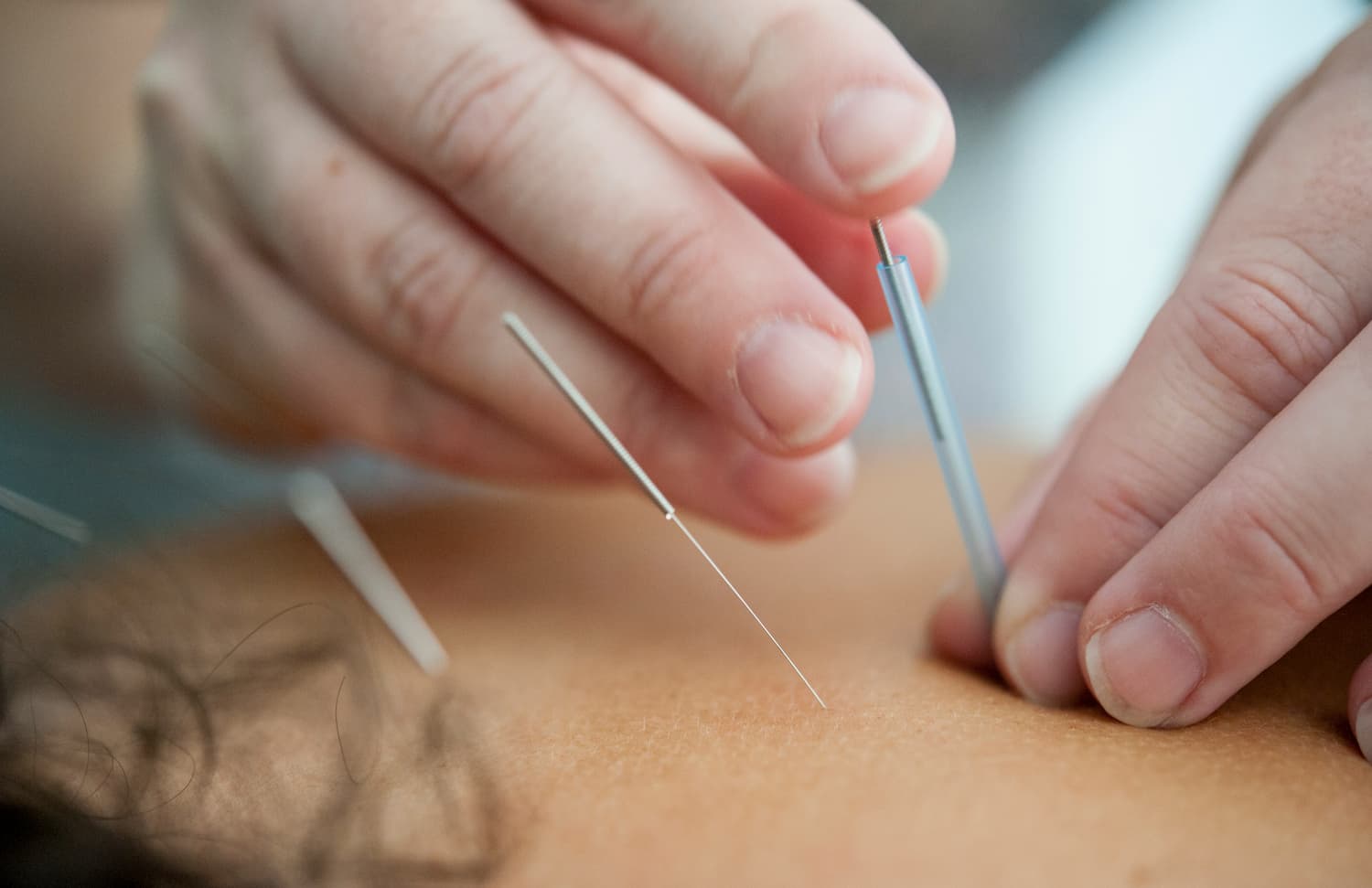
You’ll lie comfortably on a treatment couch while I insert ultra-fine, single-use needles at specific points on your abdomen, lower back, legs, and ears. These points are chosen to smooth qi flow, nourish blood, and address stagnation or deficiency.
3. Relaxation and Support
Many women find acupuncture deeply relaxing, which can be especially beneficial when managing PMS or period pain. Sessions typically last 45–55 minutes, allowing you to rest and unwind.
4. Chinese Herbal Support (if appropriate)
Customised herbal formulas may be prescribed to support your treatment plan.
Who Is Acupuncture for PMS & Painful Periods Suitable For?
Acupuncture may be suitable for anyone experiencing PMS or painful periods, including:
- Women with mild to severe PMS symptoms, such as mood swings, bloating, or fatigue.
- Those with primary dysmenorrhea (painful periods without an underlying condition).
- Individuals with secondary dysmenorrhea linked to conditions like endometriosis or fibroids.
- Women seeking a natural, holistic approach to support their menstrual health.
- Those looking to reduce their reliance on painkillers or hormonal medications.
If you’re struggling with PMS or painful periods and would like to explore how acupuncture may help you feel more balanced and supported, please do get in touch to discuss your needs and how I can help.
Frequently Asked Questions (FAQs)
How quickly will I see results from acupuncture for PMS or painful periods?
This varies depending on the severity of your symptoms and your body’s response to treatment. Consistency is key, and maintenance sessions can help sustain the benefits.
Can acupuncture help with hormonal balance?
Acupuncture may help regulate fluctuations by smoothing qi flow, nourishing blood, and supporting the Liver and Kidneys, which play a key role in hormonal health in TCM.
Is acupuncture safe?
Yes, acupuncture is generally safe and can be used at any point during your cycle. If it is your first acupuncture treatment and you have very painful periods, it is generally advisable not to have your first treatment during your period so that we can gauge your response to treatment.
Can acupuncture replace painkillers for painful periods?
Acupuncture can help reduce the severity of period pain and may lessen your need for painkillers.
Are there any side effects from acupuncture for PMS or period pain?
cupuncture is generally very safe. Some people may experience minor bruising at the needle sites or feel slightly tired after treatment. These effects are usually temporary.