
Acupuncture for
Menopause Symptoms
Menopause Acupuncture in Surrey | Hot Flushes Acupuncture in Surbiton
Menopause
Menopause is a natural phase of life, marking the end of your menstrual cycles and fertility. While it’s a universal experience, the symptoms—hot flushes, night sweats, mood swings, insomnia, and brain fog—can disrupt your daily life and be debilitating.
As a practitioner based in Surbiton, Surrey, I offer Chinese medicine to support you through this transition.
In Traditional Chinese medicine (TCM) menopause is seen as a shift in the dominance of yin (nourishing, cooling energy) and yang (active, warming energy), particularly involving the Kidneys, Liver and Spleen.* When Kidney essence declines naturally with age, it can lead to symptoms like hot flushes, night sweats, or irritability. Acupuncture aims to nourish yin, tonify Kidney essence, and smooth the transition, helping you feel more centred, balanced, and resilient during this significant life stage.
*TCM uses terms like “Liver”, “Spleen” and “Kidneys” in a different way to Western Medicine. These names describe patterns of function and balance within the body, rather than the physical organs themselves. If these terms are mentioned during treatment it does not mean there is a
medical problems with your liver, spleen kidneys or other organs. They are part of the diagnostic language used in Chinese medicine.

What Is Menopause?
Menopause is defined as the point in time 12 months after your last menstrual period, marking the end of your reproductive years. It typically occurs between the ages of 45 and 55, with the average age being 51 in the UK. The years leading up to menopause, known as perimenopause, are often when symptoms first appear, as hormone levels begin to fluctuate and cycles may become irregular.
Common symptoms of menopause include:
- Hot flushes and night sweats: Sudden feelings of heat, often accompanied by flushing and sweating, especially at night.
- Sleep disturbances: Insomnia or waking frequently during the night.
- Mood swings and irritability: Emotional fluctuations linked to hormonal changes.
- Vaginal dryness and discomfort: Due to declining oestrogen levels.
- Brain fog and memory issues: Difficulty concentrating or remembering things.
- Fatigue and low energy: A general sense of being drained.
- Weight gain and metabolic changes: Shifts in body composition and appetite.
- Joint and muscle aches: Often related to declining oestrogen.
While menopause is a natural process, its symptoms can vary widely in intensity and duration. For some women, they are mild and manageable; for others, they can significantly impact quality of life.
How Chinese Medicine Views Menopause
In traditional Chinese medicine, menopause is a time of transition that reflects the body’s natural decline in Kidney essence—the deep, fundamental energy that governs growth, reproduction, and vitality. As Kidney essence diminishes, it can lead to imbalances in yin and yang, resulting in the symptoms commonly associated with menopause.
01.
Menopause: A TCM Perspective
In TCM, menopause is often linked to:
- Kidney Essence Deficiency: The Kidneys are responsible for storing essence, which declines naturally with age. A deficiency can lead to hot flushes, night sweats, fatigue, and low libido.
- Yin Deficiency with Internal Heat: As yin (cooling, nourishing energy) declines, yang (warming, active energy) can become more dominant, causing heat to rise to the surface—manifesting as hot flushes and night sweats.
- Liver Qi Stagnation: Emotional stress, repressed feelings, or life changes can disrupt the smooth flow of Liver qi, contributing to irritability, mood swings, or breast tenderness.
- Spleen Qi Deficiency: Weak digestion or poor nutrient absorption can exacerbate fatigue, weight gain, or brain fog.
Blood Deficiency: A lack of nourishment to the Heart and Liver can cause insomnia, palpitations, or anxiety.
Acupuncture and herbal medicine aim to:
- Tonify Kidney Essence to support vitality and reduce heat symptoms.
- Nourish Yin to calm internal heat and restore balance.
- Smooth Liver Qi to ease emotional tension and irritability.
- Strengthen Spleen Qi to improve digestion and energy levels.
- Tonify Blood to calm the mind and support sleep.
*TCM uses terms like “Liver”, “Spleen” and “Kidneys” in a different way to Western Medicine. These names describe patterns of function and balance within the body, rather than the physical organs themselves

How Acupuncture May Help with Menopause Symptoms
By addressing the underlying imbalances in your body’s qi, blood, and organ systems, acupuncture may help regulate your symptoms, improve your energy, and enhance your overall wellbeing during this transition.
How Acupuncture May Help Menopause Symptoms
Reducing Hot Flushes and Night Sweats
Acupuncture may help regulate the body’s temperature by nourishing yin, calming internal heat, and improving circulation. It may also help reduce the frequency and intensity of hot flushes and night sweats by balancing the autonomic nervous system.
Improving Sleep Quality
By tonifying Kidney essence and calming the mind, acupuncture may help improve sleep quality.
Balancing Mood and Emotions
Acupuncture may help smooth Liver qi, reducing irritability and mood swings.
Sharpening Mental Clarity
Acupuncture may help improve cognitive function by nourishing Kidney essence and Blood, reducing brain fog and enhancing memory.
Supporting Energy Levels
By tonifying qi and Kidney essence, acupuncture may help combat fatigue and improve overall vitality.
Reducing Joint and Muscle Aches
Acupuncture may help reduce inflammation and improve circulation, easing joint stiffness and muscle aches.
What to Expect During Your Menopause Acupuncture Session
Your menopause acupuncture session will be tailored to your individual symptoms and health goals. Here’s what you can expect:
1. Personalised Consultation
During your session, I’ll discuss your symptoms, emotional state, sleep patterns, energy levels, and any other concerns you have about menopause. This helps me understand how best to support you.
2. Tailored Acupuncture Treatment
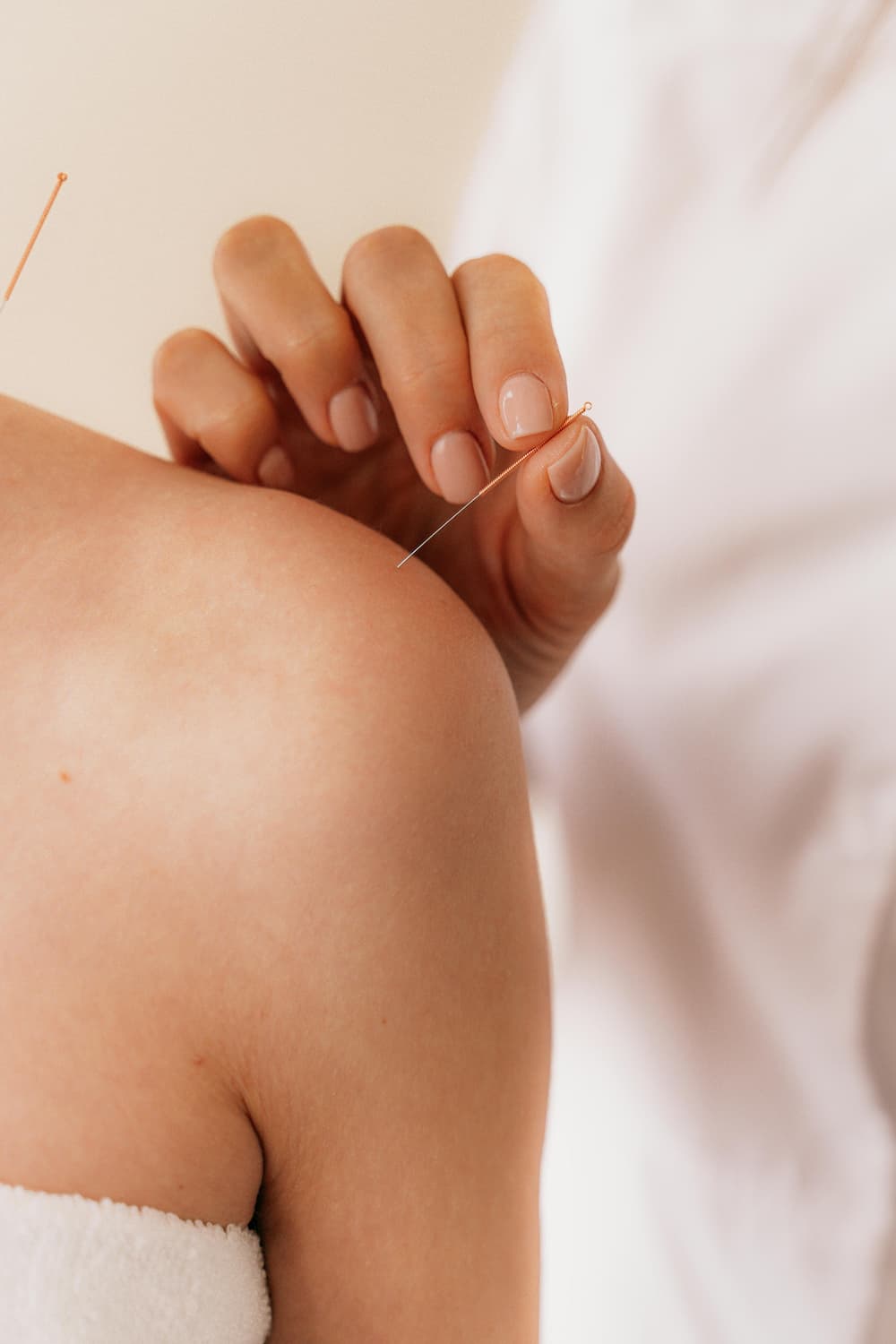
You’ll lie comfortably on a treatment couch while I insert ultra-fine, single-use needles at specific points on your abdomen, lower back, legs, and ears.
Many women find acupuncture deeply relaxing, which can be especially beneficial during this time of transition. Sessions typically last 45–55 minutes, allowing you to rest and unwind.
3. Herbal Support (if appropriate)
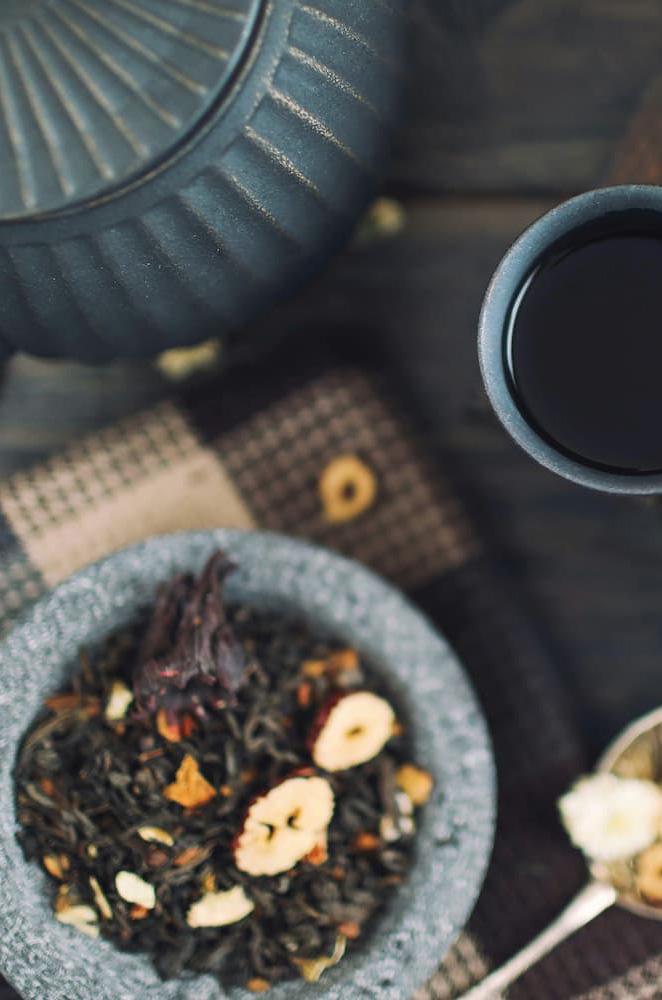
Customised herbal formulas may be prescribed to support your treatment plan.
4. Aftercare Advice
After your session, I may recommend specific dietary adjustments or lifestyle tips.
Who Is Acupuncture Suitable For?
Acupuncture may be suitable for any woman experiencing menopause symptoms, including:
- Women in perimenopause, experiencing early signs like irregular periods or hot flushes.
- Those in the midst of menopause, dealing with symptoms like night sweats, insomnia, or mood swings.
- Individuals in post-menopause, seeking support for lingering symptoms or overall vitality.
- Anyone looking for a natural, holistic approach to manage menopause symptoms and improve quality of life.
- Those wishing to reduce their reliance on hormone replacement therapy (HRT) or other medications.
Navigating Menopause
If you’re navigating menopause and would like to explore how acupuncture may help you feel more balanced, supported, and energised, please get in touch to discuss your needs and how I can help.
Frequently Asked Questions (FAQs)
How many sessions will I need for menopause symptom relief?
Many women notice an improvement in their symptoms after 6 sessions, though this varies depending on the severity of your symptoms and your body’s response to treatment. Maintenance sessions can help sustain the benefits.
Can acupuncture replace hormone replacement therapy (HRT)?
Acupuncture can help manage menopause symptoms and may reduce reliance on HRT for some women. If you are planning to stop any medication you should always discuss this with your prescribing doctor.
Is acupuncture safe during perimenopause or post-menopause?
Yes, acupuncture is safe during all stages of menopause. It can be particularly beneficial during perimenopause to ease early symptoms or in post-menopause to support vitality and wellbeing.
Can acupuncture help with hot flushes and night sweats?
Yes, acupuncture may help reduce the frequency and intensity of hot flushes and night sweats by nourishing yin, calming internal heat, and improving circulation. Many women find significant relief after a course of treatments.
Are there any side effects from acupuncture for menopause?
Acupuncture is generally very safe when practised by a well-trained practitioner. Members of the British Acupuncture Council have received a minimum three year degree level training. Some people may experience minor bruising at the needle sites or feel slightly tired after treatment. These effects are usually temporary.